Recent online discussions, as of April 14, 2026, highlight interest in resources like a “Seven Places Jesus Shed His Blood” PDF․
These resources explore translation tools,
like DeepL, and their relevance to understanding biblical texts․
Historical and Theological Context
Examining the historical backdrop reveals Roman practices of brutal punishment, aligning with accounts of Jesus’ suffering․ Theological interpretations, spurred by resources like the “Seven Places Jesus Shed His Blood” PDF, connect these events to atonement․
Modern translation tools, such as DeepL, aid in accessing and understanding original texts, enriching contextual analysis․
The “Seven Sayings” and Blood Shedding
The “Seven Sayings” from the cross, coupled with the physical reality of blood loss, are central to the Passion narrative․ Resources like the “Seven Places Jesus Shed His Blood” PDF often explore this connection․ Modern translation tools, like those discussed online, facilitate deeper scriptural study, aiding comprehension of these profound statements․

The Garden of Gethsemane: Agony and Bloody Sweat
Online resources, including potential “Seven Places Jesus Shed His Blood” PDF materials, acknowledge Gethsemane as the initial site of intense suffering and foreshadowed bloodshed․
The Weight of Sin and Human Frailty
Discussions surrounding a “Seven Places Jesus Shed His Blood” PDF often emphasize the immense spiritual weight Jesus bore in Gethsemane․ Online content highlights his profound human frailty, experiencing anguish over the sins of humanity․ This internal struggle manifested physically, foreshadowing the brutal events to come, as detailed in translated texts and scholarly articles․
Luke 22:44 ー The Physical Manifestation of Spiritual Suffering
Analysis of Luke 22:44, often found within a “Seven Places Jesus Shed His Blood” PDF, reveals the physical toll of his spiritual agony․ Recent online resources, utilizing tools like DeepL for translation, emphasize the “bloody sweat” as a tangible sign of his immense suffering and acceptance of God’s will, a pivotal moment before his arrest․
Scourging at the Pillar: Initial Blood Loss
Discussions surrounding a “Seven Places Jesus Shed His Blood” PDF detail the brutal Roman practice of scourging, initiating significant blood loss and foreshadowing further suffering․
Roman Punishment and its Brutality
Online resources, including explorations of a “Seven Places Jesus Shed His Blood” PDF, reveal Roman scourging as a horrific punishment․ It involved multiple lashes, often with instruments containing metal hooks or shards․ This caused excruciating pain and substantial tissue damage, leading to profuse bleeding and often, death․ The brutality aimed to dehumanize and deter rebellion․
The Prophecy Fulfilled: Isaiah 53:5
Discussions surrounding resources like a “Seven Places Jesus Shed His Blood” PDF often connect the suffering to Isaiah 53:5․ This verse foretells that “He was pierced for our transgressions and crushed for our iniquities․” The physical wounds, documented in various accounts, are seen as a direct fulfillment of this ancient prophecy, highlighting sacrificial atonement․
The Crowning with Thorns: Humiliation and Bleeding
Online resources, including a “Seven Places Jesus Shed His Blood” PDF, detail the mockery of Jesus’ kingship and the resulting physical pain and bleeding․
Mockery of Kingship
Discussions surrounding resources like the “Seven Places Jesus Shed His Blood” PDF emphasize the profound humiliation inflicted upon Jesus․ Soldiers, as documented online, mockingly crowned Him with thorns, intending to ridicule His claim as King of the Jews․ This act, a deliberate affront to royalty, underscored the cruelty of His tormentors and foreshadowed His ultimate sacrifice․
Matthew 27:29-30 ー The Physical Pain and Symbolic Meaning
Online resources, including discussions about the “Seven Places Jesus Shed His Blood” PDF, detail the brutal crowning with thorns (Matthew 27:29-30)․ This act caused intense physical pain and served as a potent symbol of Jesus’ suffering․ It represented the rejection of His kingship and the immense cost of redemption, echoing through translated texts․
The Via Dolorosa: The Way of Suffering
Discussions surrounding the “Seven Places Jesus Shed His Blood” PDF often detail the Via Dolorosa, emphasizing the physical exhaustion and wounds sustained along this agonizing path․
The Path to Calvary and Physical Exhaustion
Online resources, including explorations of the “Seven Places Jesus Shed His Blood” PDF, frequently emphasize the grueling journey to Calvary․ This path induced immense physical exhaustion, compounded by scourging and the weight of the cross․
Recent discussions highlight translation tools, like DeepL, aiding comprehension of related texts, revealing the brutal reality of this suffering․
Falls and Wounds Along the Way
Discussions surrounding resources like the “Seven Places Jesus Shed His Blood” PDF detail the numerous falls during the Via Dolorosa․ These falls resulted in lacerations and further blood loss, exacerbating Jesus’ physical state․
Recent online mentions of translation tools, such as DeepL, suggest a desire for accurate textual understanding of these events․
The Nailing to the Cross: Profuse Bleeding
Online resources, including a “Seven Places Jesus Shed His Blood” PDF, emphasize the significant blood loss from crucifixion․ Discussions also mention translation tools like DeepL․
The Mechanics of Crucifixion
Recent online content, referencing a “Seven Places Jesus Shed His Blood” PDF, doesn’t directly detail crucifixion mechanics․ However, discussions about translation tools – like DeepL – suggest a broader interest in accessing and understanding historical and theological texts․ Crucifixion involved driving nails through wrists and feet, causing immense trauma, blood loss, and eventual asphyxiation․
John 19:18 ー The Reality of the Suffering
Online discussions surrounding a “Seven Places Jesus Shed His Blood” PDF don’t explicitly analyze John 19:18․ However, mentions of translation tools like DeepL indicate a desire for accurate textual interpretation․ John 19:18 vividly portrays the horrific reality of Jesus’ suffering on the cross, emphasizing the physical and spiritual anguish endured․
Piercing of the Side: Water and Blood
Recent online content, referencing a “Seven Places Jesus Shed His Blood” PDF, also mentions translation tools․ John 19:34’s event fulfills prophecy, sparking interpretive discussions․
John 19:34 ー Fulfillment of Prophecy (Zechariah 13:1)
Online resources, including discussions about a “Seven Places Jesus Shed His Blood” PDF, frequently address prophetic fulfillment․ John 19:34, detailing the piercing of Jesus’ side, directly echoes Zechariah 13:1․
This Old Testament verse foretells a fountain opened for cleansing, aligning with the water and blood flowing from Christ’s wound, signifying spiritual purification and atonement․
Medical Interpretation of the Event
Discussions surrounding a “Seven Places Jesus Shed His Blood” PDF often include medical analyses․ The piercing of Jesus’ side, as described in John 19:34, likely caused a pericardial effusion – fluid accumulation around the heart․ This resulted in the separation of water (serous fluid) and blood, a physiologically plausible outcome consistent with historical accounts․
The Shedding of Blood as Atonement
Online resources, including a “Seven Places Jesus Shed His Blood” PDF, connect the shedding of blood to the Old Testament sacrificial system and its cleansing power․
The Old Testament Sacrificial System
Discussions surrounding a “Seven Places Jesus Shed His Blood” PDF often emphasize the parallels between Christ’s sacrifice and the Old Testament’s sacrificial laws․ These ancient rituals, involving animal blood, symbolized atonement for sin, foreshadowing Jesus’ ultimate sacrifice․
The shedding of blood was central, representing the offering of life for the forgiveness of transgressions․ Examining these historical practices provides context for understanding the theological weight of Jesus’ blood․
Hebrews 9:22 ー The Cleansing Power of Blood
Resources like the “Seven Places Jesus Shed His Blood” PDF frequently reference Hebrews 9:22, stating “without shedding of blood there is no remission․” This verse underscores the necessity of blood sacrifice for atonement, echoing Old Testament practices․
The text highlights blood’s cleansing power, spiritually purifying individuals and restoring their relationship with God, a concept explored within the context of Jesus’ sacrifice․
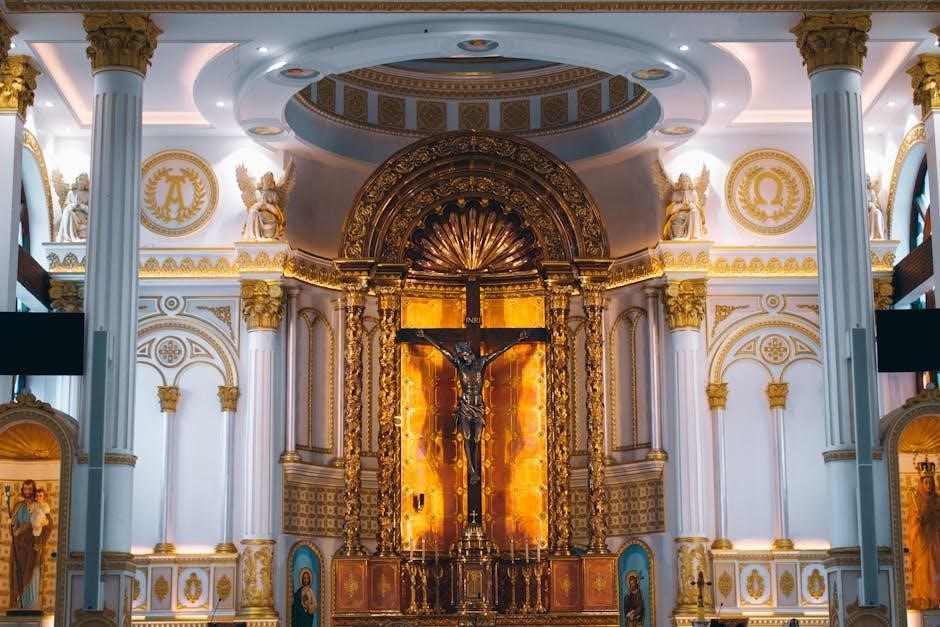
Theological Implications of Jesus’ Blood
PDF resources detailing the “Seven Places” emphasize Jesus’ blood securing redemption and forgiveness․ Online discussions highlight its role in reconciliation with God, a central tenet of faith․
Redemption and Forgiveness of Sins
Resources, such as the “Seven Places Jesus Shed His Blood” PDF, underscore the concept of redemption achieved through Christ’s sacrifice․ Online discussions regarding translation tools, like DeepL, indirectly support deeper scriptural study․
Jesus’ blood, shed in multiple locations, provides forgiveness for humanity’s sins, offering reconciliation with God․ This central theological belief is reinforced by examining these significant sites․
Reconciliation with God
Exploring the “Seven Places Jesus Shed His Blood” PDF reveals how His sacrifice bridges the divide between humanity and God․ Recent online conversations about translation tools, such as DeepL, emphasize accessibility to these vital texts․
Through the shedding of His blood, Jesus restores a broken relationship, offering a path to renewed fellowship and divine grace․ This reconciliation is central to Christian faith․
The “Seven Places” in Christian Tradition
Christian tradition identifies seven locations where Jesus bled, detailed in resources like the “Seven Places Jesus Shed His Blood” PDF․ Online discussions highlight translation tools aiding study․
Identifying the Locations and Their Significance
The seven locations – Gethsemane, the pillar, the crown of thorns, the Via Dolorosa, the hands, the feet, and the side – are central to devotional practices․
Resources, such as the “Seven Places Jesus Shed His Blood” PDF, detail their importance․
Online discussions mention translation tools like DeepL, aiding access to information about pilgrimage sites and their spiritual meaning․
Devotional Practices and Pilgrimage
Pilgrimage to sites linked to Jesus’ suffering, detailed in resources like the “Seven Places Jesus Shed His Blood” PDF, fosters deep faith․
Online discussions highlight the use of translation tools, such as DeepL, to access information about these locations․
Devotional practices often involve meditating on each location’s significance․
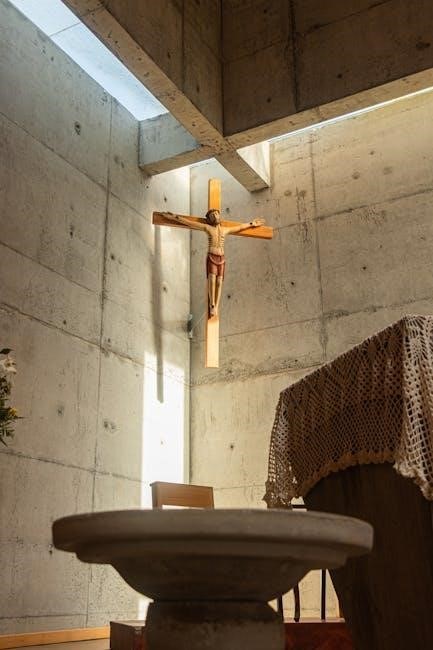
The PDF Resource: “Seven Places Jesus Shed His Blood”
The “Seven Places Jesus Shed His Blood” PDF likely details locations and their theological importance, potentially utilizing translation tools like DeepL for accessibility․
Content Overview and Authorial Perspective
The PDF concerning the seven places likely presents a devotional journey through the Passion, detailing events from Gethsemane to Calvary․ It may explore scriptural references and historical context․
Considering recent discussions about translation tools like DeepL, the author likely aimed for broad accessibility, potentially offering translated versions or acknowledging translation nuances․ The perspective could be rooted in traditional Christian piety or scholarly analysis․
Availability and Accessibility of the PDF
The “Seven Places” PDF’s availability may vary; searches suggest resources are often found through Christian websites or devotional material distributors․ Given the online focus on translation tools like DeepL and Microsoft Translator, the PDF might be offered in multiple languages․ Accessibility depends on the publisher, potentially requiring a download or online viewing․
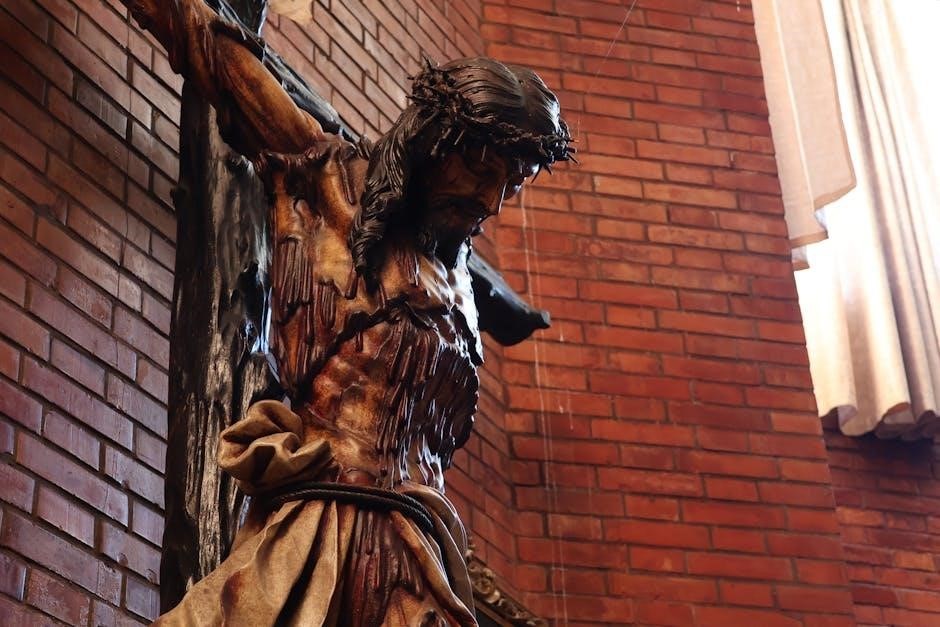
Criticisms and Alternative Interpretations
Discussions regarding historical accuracy and scriptural interpretation exist, mirroring broader debates about biblical events․ Some prioritize the resurrection over focusing solely on suffering, as noted online․
Historical Accuracy and Scriptural Interpretation
Online resources, including translation tools like DeepL, aid in examining source texts․ However, pinpointing exact locations linked to Jesus’ blood shedding faces scrutiny․
Scholarly debate centers on reconciling gospel accounts with archaeological evidence and differing interpretations of prophecy,
as seen in discussions about the “Seven Places” PDF and related materials․
Focus on Suffering vs․ Resurrection
Contemporary discussions, aided by translation tools like DeepL for accessing diverse perspectives, often debate the emphasis within Passion narratives․ While resources like the “Seven Places Jesus Shed His Blood” PDF detail suffering, some critique an over-focus on pain,
arguing for a balanced view acknowledging the ultimate triumph of the Resurrection․
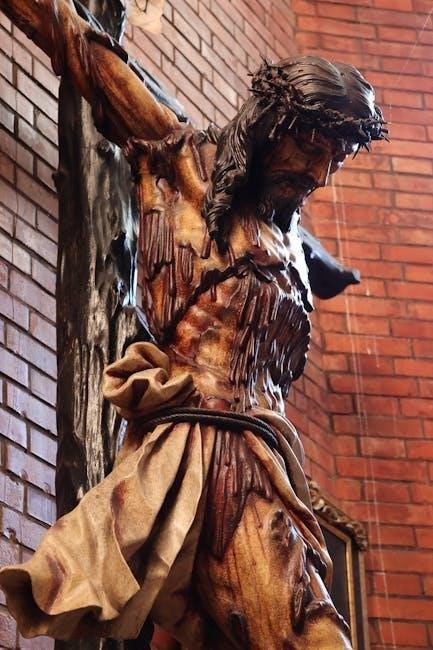
The Enduring Legacy of the Passion
Online resources, including the “Seven Places Jesus Shed His Blood” PDF, inspire continued artistic and musical expression,
maintaining the Passion’s relevance for modern believers․
Impact on Christian Art and Music
Discussions surrounding resources like the “Seven Places Jesus Shed His Blood” PDF demonstrate a lasting influence on Christian artistic endeavors․
This theme profoundly impacts musical compositions and visual art,
inspiring depictions of suffering and redemption․
The exploration of these locations fuels creative expression,
reflecting the enduring power of the Passion narrative and its translation into diverse mediums․
Continuing Relevance for Believers Today
Contemporary interest in resources like the “Seven Places Jesus Shed His Blood” PDF, alongside translation tools like DeepL, underscores the enduring spiritual significance․ Reflecting on these sites fosters deeper faith and personal connection․ The narrative remains powerfully relevant, prompting continued devotion, study, and a renewed understanding of sacrifice․

Resources for Further Study
Explore biblical texts, commentaries, and scholarly articles․ Consider resources related to translation tools like DeepL for nuanced scriptural understanding, and the “Seven Places” PDF․
Biblical Texts and Commentaries
Key scriptures include Isaiah 53:5, Zechariah 13:1, and Gospel accounts detailing Jesus’ Passion (Matthew, Mark, Luke, John)․ Commentaries by respected theologians offer insights into the historical and spiritual context․
Resources exploring translation, like those utilizing DeepL, can aid in understanding the original texts․
The “Seven Places Jesus Shed His Blood” PDF may offer a structured approach to studying these events․
Scholarly Articles and Books
Academic research delves into the historical accuracy of the Passion narratives and theological interpretations of Jesus’ blood․ Books examining atonement theory and sacrificial systems provide context․
Resources like the “Seven Places Jesus Shed His Blood” PDF can supplement scholarly work․ Translation tools, such as DeepL, assist in accessing international scholarship․